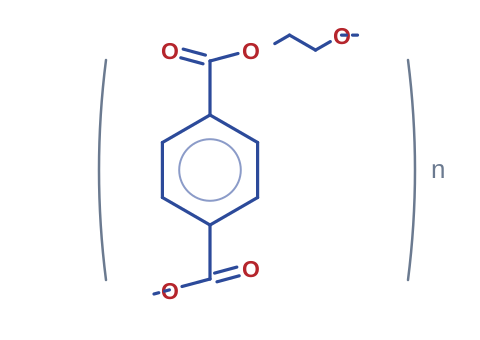
聚酯是由对苯二甲酸(PTA)与乙二醇(EG)缩聚生成聚对苯二甲酸乙二醇酯(PET)的高聚物,其中部分 PET 再经水下切粒制成切片。PET 分为纤维级与非纤维级聚酯切片。纤维级聚酯用于制造涤纶短纤与长丝,是供应给化纤厂家的原料,聚酯是化学纤维中产量最大的品种。非纤维级聚酯用于瓶、薄膜等,应用于包装、电子、医疗卫材、建筑与汽车领域。包装是非纤聚酯最大的应用市场,也是 PET 增长最快的领域。
Conventional PET is rice-grain shaped with many varieties. Polyester fiber is made from PET by spinning and after-treatment, with 75% going into chemical fiber. According to textile requirements, it is made into polyester staple fiber and filament. Filament is a continuous yarn over a kilometer long, wound into packages; staple fiber is cut into lengths of a few to a dozen centimeters.
PET is processed into chips of roughly 4×5×2 mm, classified by application into fiber-grade, bottle-grade and film-grade chips (differing mainly in process indicators). Fiber-grade chips are further classified by TiO₂ delustrant content: super-bright (bright), bright, semi-dull and (full)-dull, plus cationic polyester chips.
Polyester film is made by extruding conventional PET into a thick sheet and then stretching it into a film. It is relatively expensive, typically 0.012 mm thick, and is commonly used as the outer layer of retort packaging with good printability.
PTA and MEG are the main raw materials for polyester.
| 项目 | 指标 |
|---|---|
| 外观 | White powder |
| DMF color (5g/100mL) | ≤10 |
| Acid value | 675±2 mg KOH/g |
| Residue on ignition | ≤6 mg/kg |
| Total heavy metals | ≤3 mg/kg |
| Iron | ≤1 mg/kg |
| 4-Carboxybenzaldehyde | ≤25 mg/kg |
| p-Toluic acid | ≤150 mg/kg |
| Moisture | ≤0.2 |
| △Y | ≤10 |
| 项目 | 指标 |
|---|---|
| 外观 | Transparent liquid, free of mechanical impurities |
| Ethylene glycol | ≥99.9% |
| Diethylene glycol | ≤0.050% |
| Color | ≤5 |
| 密度 | 1112.8-1113.8 kg/m³ |
| Moisture | ≤0.08% |
| Acidity | ≤10 mg/kg |
| Iron | ≤0.1 mg/kg |
| Ash | ≤10 mg/kg |
| Aldehyde content | ≤8 mg/kg |
| UV transmittance 220nm | ≥75% |
| UV transmittance 275nm | ≥92% |
| UV transmittance 350nm | ≥99% |
| Chloride ion | ≤0.5 mg/kg |
